

Why Does My Child Like Scary Play? What Monsters and Villains Are Really About
Growling monsters, pretend villains, and games where you're the one who gets "caught" aren't cause for concern this Halloween. Here's why scary play matters, especially for anxious and neurodivergent kids, plus our therapists' favorite "scary" toys in the playroom.
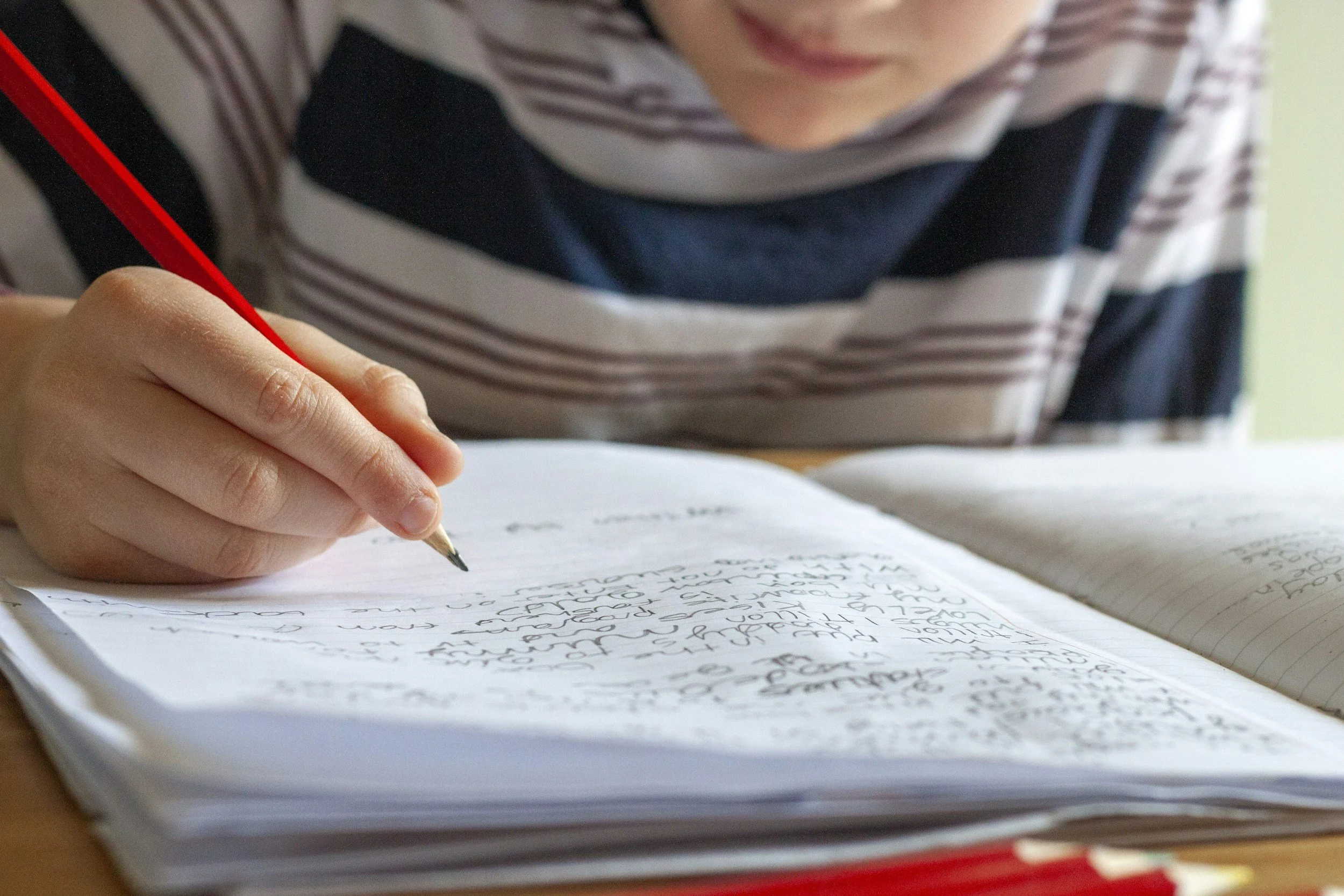
First Report Card Stress: How to Talk to Your Kid About Grades Without a Meltdown
The first report card of the year can bring big feelings for kids and parents alike. A child and teen therapist shares what’s really going on behind grade stress, and simple ways to talk about it that build your child up instead of breaking them down.

"My Child Melts Down When Screen Time Ends": What's Really Going On
Does your child melt down every time the screen turns off? It is not defiance. Here is what is happening in their brain and simple ways to make screen transitions calmer.

Why Parent Mental Health and Child Mental Health Go Hand in Hand
This World Mental Health Day, a child and teen therapist shares what child mental health really looks like, why so many parents are quietly overwhelmed, and simple ways to care for both of you.

ADHD in Girls: Why It Looks Different and Gets Missed So Often
Why do so many girls with ADHD go undiagnosed until their teens, or later? Because ADHD doesn't always look like bouncing off the walls. For a lot of girls, it looks like daydreaming, overachieving, or anxiety, and it gets missed. Here's what to look for.

Can Anxiety Cause Stomach Aches in Kids? What Your Child's Body Is Trying to Tell You
That morning tummy ache might be worry talking. Learn why anxiety stomach aches in kids are real, the patterns to watch for, and gentle ways to help your child feel calmer.

Why Does My Child Say "I Hate You"? What It's Really About
Your child screaming "I hate you" can knock the wind out of you, even when you know they don't mean it. Here's what's actually going on in that moment, and how to respond in a way that helps instead of escalates.

Is It ADHD or Anxiety? How Parents Can Tell the Difference
"Is it ADHD, or is it anxiety?" It's one of the most common questions parents bring into our office, and for good reason: the two can look nearly identical from the outside. In this post, we break down what's actually driving the behavior, share a real-world example of how the same fidgeting can point in two different directions, and walk through the questions worth asking yourself before your next appointment.

How to Help Your Child With Back-to-School Separation Anxiety
Back-to-school separation anxiety is more common than you think, and it's not a sign you're doing anything wrong. Here are the practical tips, the real reasons behind the tears, and the resources that can help.

Supporting Your Teen’s Self-Confidence and Identity Development
Teenagers are in the middle of one of the most important developmental tasks of their lives: figuring out who they are. Learn how parents can support their teen's identity development and self-confidence with practical, research-backed strategies.

Big Feelings at Bedtime: Why Your Child Feels Anxious at Night (and How to Help)
Big feelings at bedtime are common for many children, especially those experiencing anxiety. This post explores why nighttime anxiety happens, what it can look like, and simple, supportive strategies parents can use to help their child feel safe and sleep more peacefully.

My Child’s Anger Is So Intense: A Therapist’s Guide for Overwhelmed Parents
If your child’s anger feels intense, fast, or overwhelming, you are not alone. Many parents struggle to understand why small frustrations can lead to big emotional reactions. In this therapist guide, we explore what may be happening beneath a child’s anger, why traditional responses do not always work, and how parents can support emotional regulation through connection, structure, and skill-building.

When Your Tween or Teen Shuts Down: A Therapist’s Guide for Parents
When your tween or teen shuts down emotionally, it can feel confusing and disconnection can grow quickly. This therapist guide helps parents understand why shutdown happens and offers practical, supportive ways to reconnect and respond with calm, confidence, and care.

How Negative Self-Talk Develops and How to Help Change It
Negative self-talk can quietly shape how children and teens see themselves. Learn how these patterns develop, why they matter, and how play therapy and counseling can help kids build a kinder, more balanced inner voice.

Helping Children Build Empathy and Kindness in Today’s World
Practical strategies for helping children develop empathy and kindness in today’s fast-paced world. Learn how to support emotional awareness, model compassion, and use stories and play to nurture social-emotional skills.

Supporting Your Anxious Child Before Holiday Gatherings
Holiday gatherings can feel overwhelming for children, especially when routines shift and social expectations grow. In this post, we share simple, therapist-informed ways to help kids manage anxiety and feel more supported before family events. With preparation and gentle coping tools, your child can approach the holidays with more confidence and comfort.

The Phases of Play Therapy: What Parents Can Expect
Play therapy is a powerful way for children to heal, grow, and express themselves. Learn about the four key phases of play therapy: trust, exploration, growth, and closure, and what parents can expect along the way.

The Power of One-on-One Parent-Child Time
Busy schedules make it easy to miss small moments of connection, yet even ten minutes of one-on-one time can have a lasting impact. Learn how to follow your child’s lead, be fully present, and strengthen your bond in simple, meaningful ways.

Picky Eating and Mental Health: More Than Just Mealtime Struggles
Picky eating is often about more than just food. It can reflect a child’s anxiety, sensory sensitivities, or emotional world. Understanding the mental health side of picky eating helps caregivers move from power struggles to compassion and connection.

What Your Child’s Behavior Is Trying to Tell You After School
The end of the school day often brings big emotions. Whether your child comes home tearful, irritable, or withdrawn, behavior is their way of communicating. Understanding what’s underneath helps parents respond with empathy and support. In this post, we share insights and strategies to help you decode after-school behavior and meet your child’s needs.