
My Child’s Anger Is So Intense: A Therapist’s Guide for Overwhelmed Parents
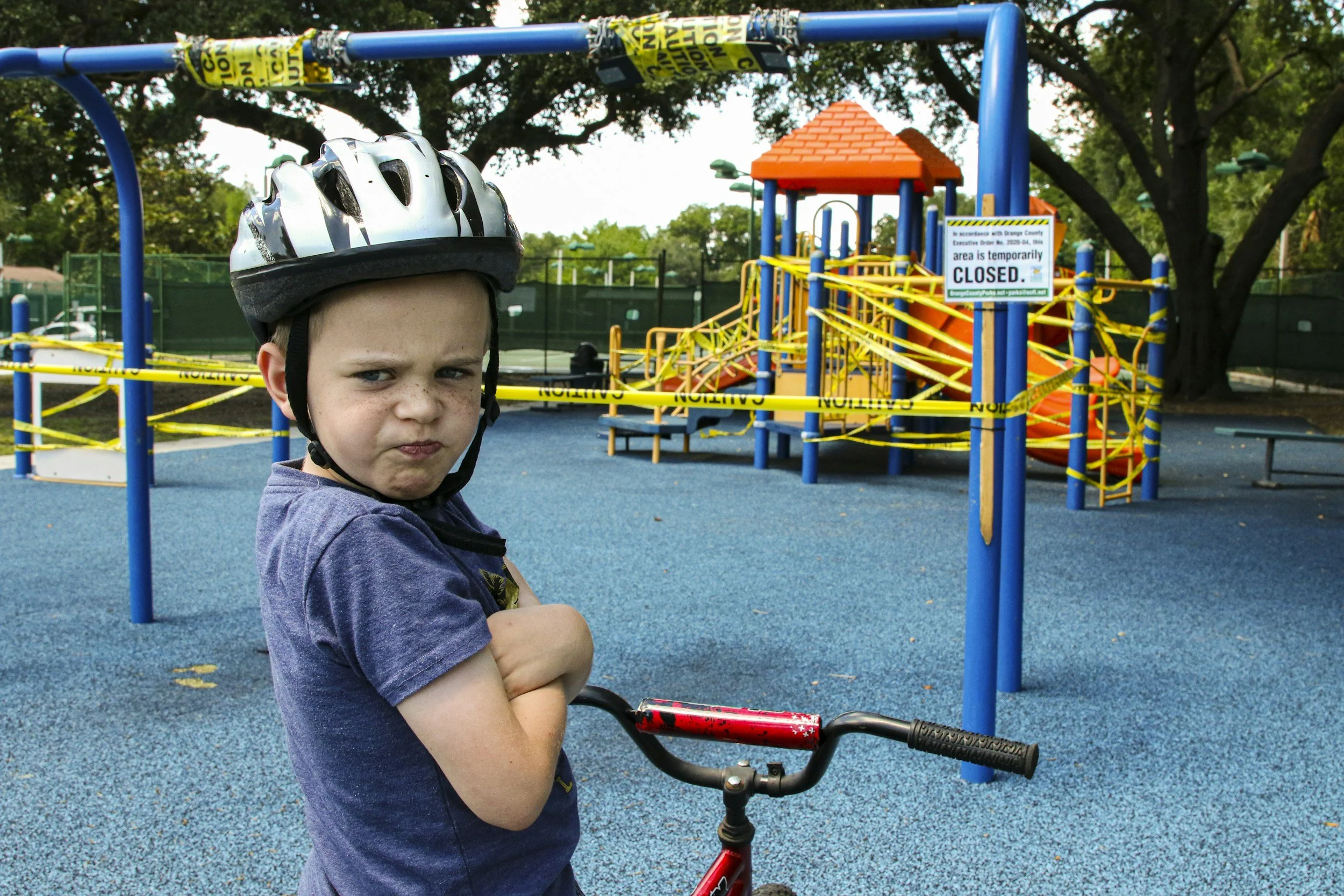
There are moments in parenting that can feel surprisingly overwhelming.
Your child is not just “mad.” They are very mad. Loud. Reactive. Sometimes explosive. Sometimes shutting down. And it can happen fast, sometimes over things that feel small from an adult perspective.
If you have found yourself thinking, “Why is my child’s anger so intense?” or “What am I supposed to do when it gets this big?” you are not alone. Many parents quietly carry the same questions, often while doing their best to stay calm in the middle of very hard moments.
This blog is here to help you understand what may be happening underneath your child’s anger, and what can actually help when traditional responses are not enough.
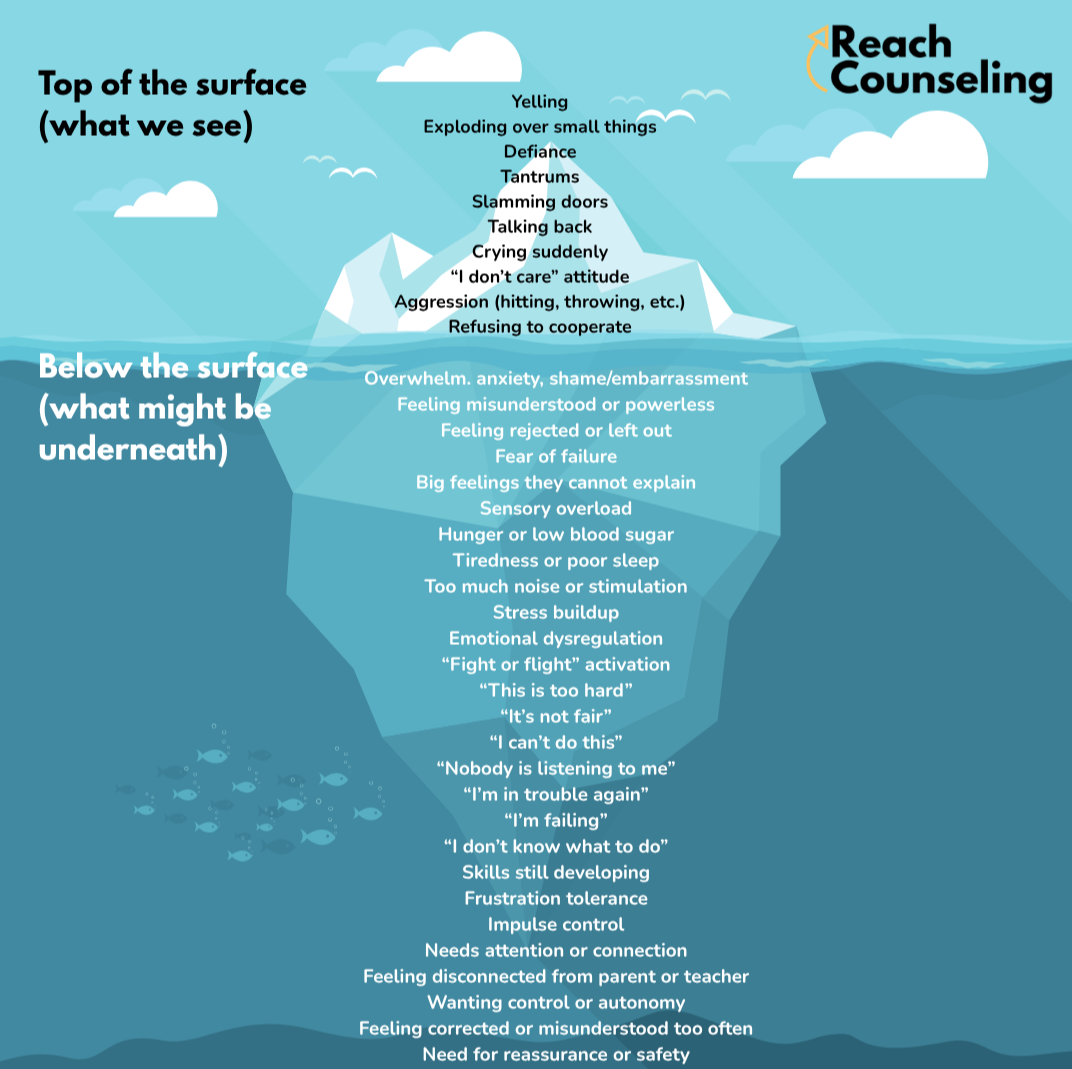
Anger is often just the part of the iceberg we can see, while much more is happening beneath the surface. What looks like big reactions, defiance, or emotional outbursts is often only the visible tip of overwhelm, anxiety, sensory overload, frustration, or unmet emotional needs that children do not yet have the skills to fully express. This “Anger Iceberg” framework was developed and coined by The Gottman Institute to illustrate how secondary emotions like anger often sit above deeper primary feelings that drive behavior.
First, your child’s anger is not the whole story
One of the most important shifts we help parents make in therapy is this: anger is usually a secondary emotion.
That means what you are seeing on the outside is often covering something else underneath, such as:
overwhelm
frustration
embarrassment
sensory overload
disappointment
feeling misunderstood
or not having the words to explain what is happening internally
Children do not always have the language or brain development yet to express these feelings directly. So the emotion comes out as anger because anger is fast, powerful, and protective.
This does not mean behavior should be ignored or unsafe behavior is acceptable. It means we can begin to understand the “why” underneath the behavior, which helps us respond more effectively.
Why some children have such big anger reactions
Some children experience emotions more intensely due to temperament, neurodevelopment, stress, or regulation differences. In these cases, their nervous system moves quickly from calm to overwhelmed.
This can look like:
yelling over small frustrations
crying that escalates quickly into rage
difficulty recovering after being upset
shutting down or refusing to talk
physical outbursts when overwhelmed
In these moments, the child is often not choosing intensity. Their nervous system is driving the reaction. Understanding this does not remove boundaries, but it does change how we approach the moment.
What parents often try (and why it still feels so hard)
Most parents respond to big anger with very normal strategies like:
consequences
time-outs
repeated instructions
lectures in the moment
trying to reason through the behavior while it is happening
The challenge is that when a child is dysregulated, the thinking part of the brain is not fully online. This is why conversations often escalate instead of resolve the situation.
It can leave parents feeling stuck, like nothing is working, no matter how consistent or firm they try to be.
If this sounds familiar, you are not doing it wrong. The approach may simply need to shift from correction in the moment to regulation first.
Co-regulation is often the missing piece
Before a child can learn from an experience, they usually need help calming their nervous system.
This is where co-regulation comes in.
Co-regulation means a calm adult helps a child move from overwhelmed back toward regulated through presence, tone, and emotional steadiness.
You can read more about this idea in depth here: Our Guide to the Power of Co-Regulation for Parents.
Co-regulation might look like:
staying physically present without escalating
using a calm, low voice
offering simple, short phrases instead of long explanations
reducing stimulation
helping your child breathe or pause
focusing on safety and connection before problem-solving
Boundaries still matter, especially with big emotions
Supporting a child’s emotions does not mean allowing unsafe or harmful behavior.
Children still need clear, consistent limits. In fact, boundaries help children feel more secure, not less.
The key is how boundaries are delivered, especially during emotional intensity.
You can learn more about setting limits in a supportive and connected way here: a child therapist and parent shares four practical strategies for setting limits with your kids.
A helpful shift many parents find is:
“I will help you stay safe and calm.”
instead of“Stop it right now or else.”
Both structure and connection can exist at the same time!
What helps children learn emotional regulation over time
Big anger does not go away simply because a child is told to stop. Emotional regulation is a skill that develops gradually through repeated experiences of support, modeling, and practice.
Some helpful tools include:
1. Teaching coping strategies when your child is calm
Skills like breathing tools, movement breaks, sensory supports, and safe spaces are most effective when they are introduced outside of moments of escalation. For practical, child-friendly ideas, you can explore our guide on child calm coping strategies.
2. Helping children build emotional awareness
Children often need support in identifying what they are feeling before they can learn how to manage those feelings. Gently naming emotions over time helps build an internal language for understanding their experience and reduces overwhelm.
3. Supporting empathy and repair after conflict
Once a child is calm, they can begin learning how their behavior impacts others and how to make repairs in relationships. This process supports emotional growth and accountability without relying on shame or disconnection. You can read more about fostering empathy and kindness in children in our related guide.
When anger may be a sign your child needs extra support
It may be helpful to seek additional support if:
anger is frequent and intense
your child struggles to recover after outbursts
behavior is impacting school or friendships
your home feels like it is in constant tension
you feel unsure how to respond in the moment
or your child seems overwhelmed by everyday expectations
Sometimes big anger is a sign of underlying anxiety, ADHD, sensory challenges, trauma responses, or emotional regulation difficulties. If you are wondering whether therapy might help your child, this resource may be a helpful starting point.
How therapy can help
At Reach Counseling, we support children, teens, and families who are navigating big emotions, intense reactions, and ongoing behavior challenges. Through approaches like play therapy, children are able to express emotions in developmentally appropriate ways, build coping skills, and process underlying stressors in a safe environment. Therapy also supports parents in feeling more confident, less alone, and more equipped with practical tools for home.
Explore services here: https://www.reachcounselingtx.com/services.
Final thoughts
If your child’s anger feels intense, unpredictable, or hard to manage, it does not mean you are doing something wrong as a parent. More often, it means your child is struggling with skills they have not fully developed yet, or emotions that feel bigger than they know how to handle. With support, structure, and connection, children can learn to move through anger in safer and more manageable ways over time. And parents do not have to navigate that process alone.