
Big Feelings at Bedtime: Why Your Child Feels Anxious at Night (and How to Help)
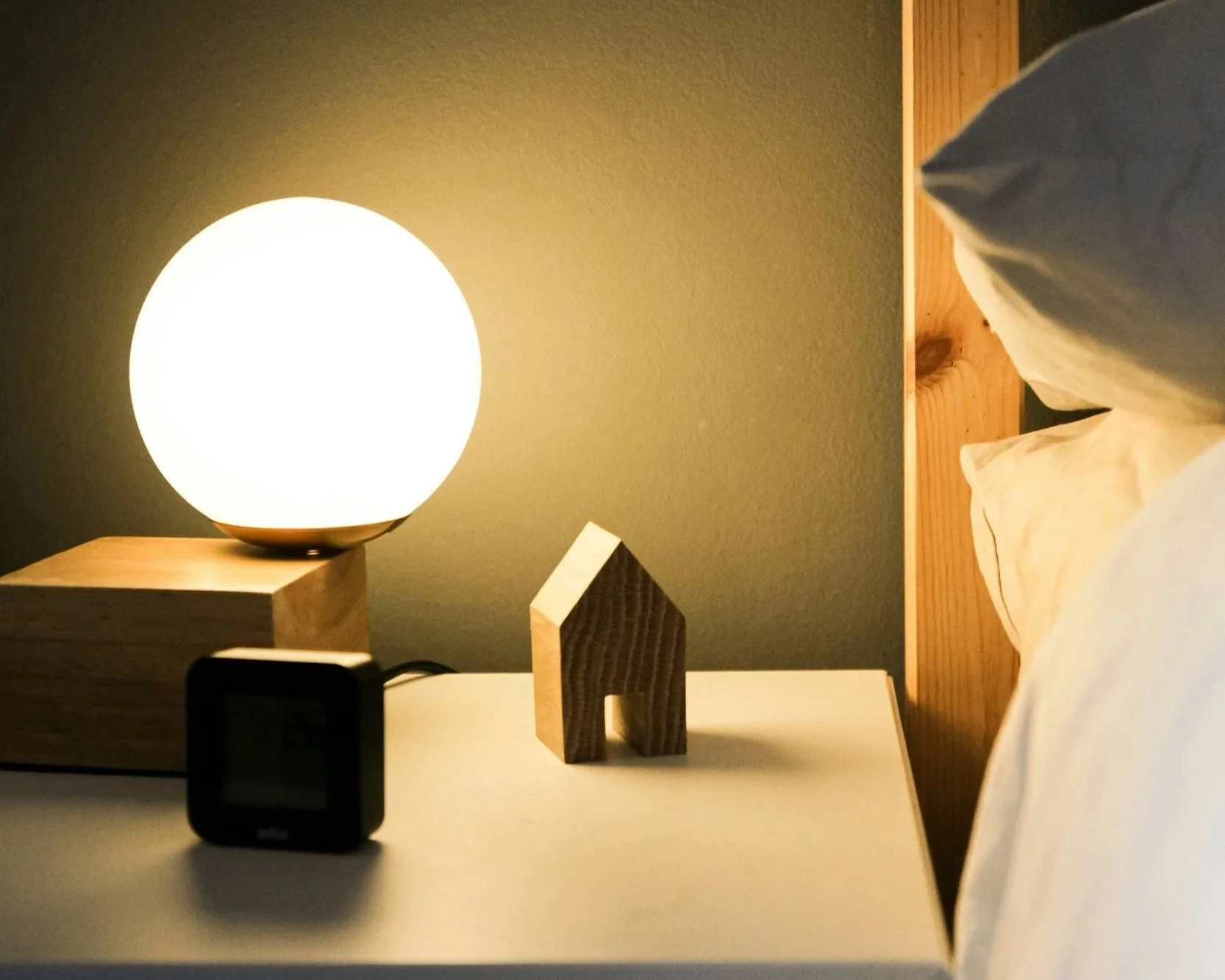
Bedtime can be one of the hardest parts of the day for children who struggle with anxiety. The house gets quiet, the lights turn off, and suddenly the worries feel louder, bigger, and harder to manage.
If your child seems mostly okay during the day but becomes anxious at night, you are not alone. Many parents are surprised to learn how common this is, and understanding the signs of anxiety in children can be a helpful first step.
Nighttime anxiety in children is very common, and there are meaningful ways you can help your child feel safe, calm, and ready for sleep.
Why Your Child Feels Anxious at Night
Many parents wonder why anxiety seems to appear right at bedtime. There are a few important reasons this happens.
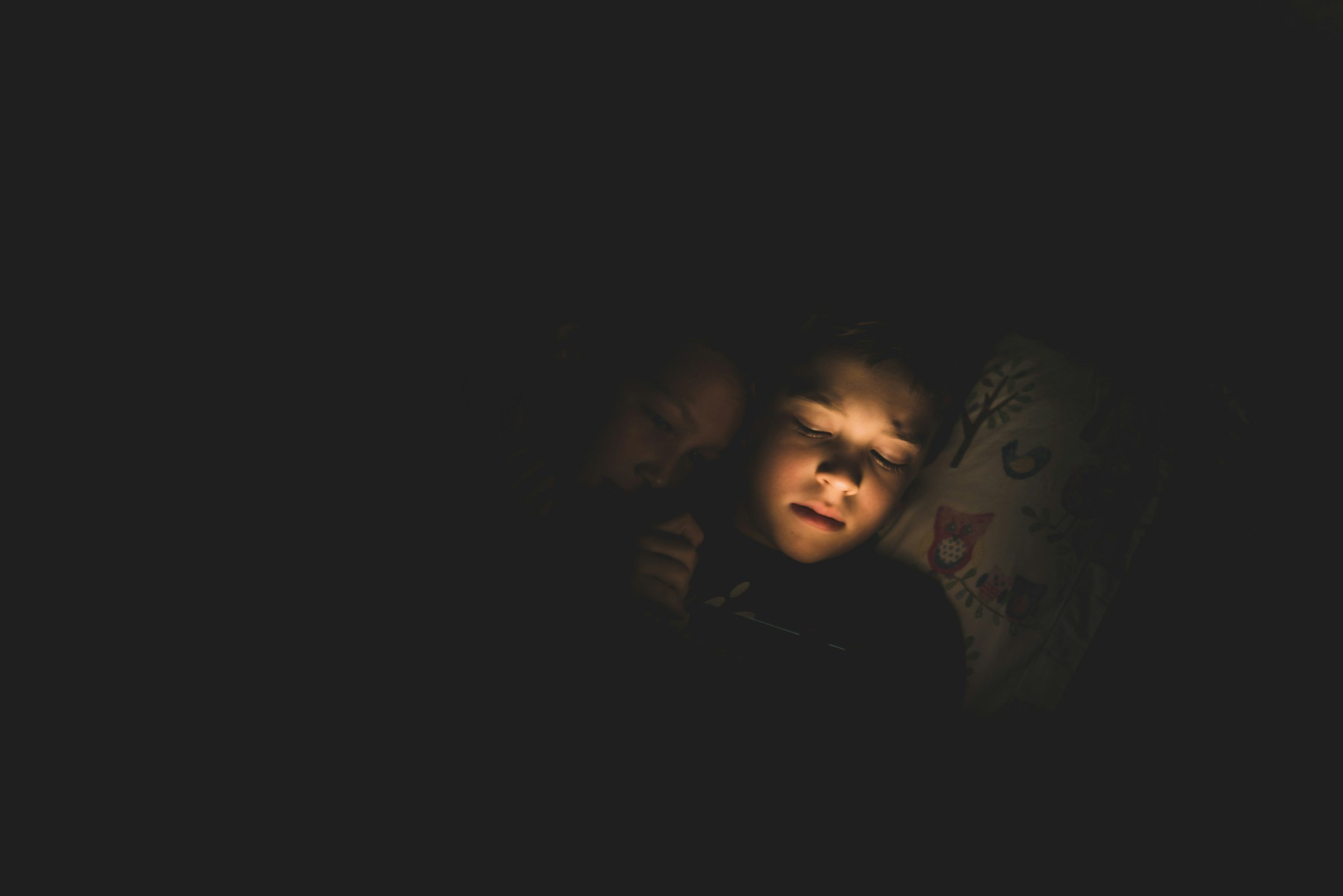
During the day, your child has distractions like school, play, screens, and conversation. At night, those distractions disappear. This creates space for worries and fears to rise to the surface.
Children are also more emotionally vulnerable when they are tired. Their ability to cope, problem solve, and regulate feelings is lower at the end of the day.
Nighttime can feel especially hard for children because it brings a sense of separation and being alone in the dark, which may feel unsafe for sensitive, imaginative, or stressed children. Some children also hold in their worries during the day, especially those who put a lot of pressure on themselves, which can lead to bigger emotional releases at night, a pattern often seen in high-achieving kids.
For some children, anxiety at night can look like:
Repeatedly getting out of bed
Asking for constant reassurance
Fear of the dark or being alone
Trouble falling asleep or staying asleep
Physical complaints like stomachaches
Big emotions at bedtime
What may look like stalling or avoidance is often your child trying to feel safe.
What Your Child Needs Most at Night
When anxiety shows up, your child does not need quick fixes or logic right away. They need to feel safe, understood, and supported.
The goal is not to eliminate anxiety instantly. The goal is to help your child build the ability to move through those feelings with your support.
When a child feels emotionally safe, their nervous system begins to calm, and sleep becomes more possible. Helping your child feel calm starts with giving them tools they can use in their bodies, which you can begin building even outside of bedtime through practices consistent with mindfulness.
How to Help Your Child with Nighttime Anxiety
1. Start with Validation
Before offering solutions, help your child feel understood.
You might say:
“Nighttime can feel really scary sometimes.”
“Your worries feel bigger when it is dark.”
“I am right here with you.”
Validation helps your child feel less alone and more regulated.
2. Create a Consistent Bedtime Routine
A predictable routine helps your child’s brain and body feel safe.
Keep it simple and repeatable:
Bath or shower
Pajamas
Quiet activity or reading
Connection time
Lights out
Consistency matters more than perfection.
3. Build a Bedtime Coping Toolkit
Give your child tools they can use when anxiety shows up.
This might include:
A favorite stuffed animal
A nightlight
Calming music or white noise
A worry jar or paper to “leave worries for tomorrow”
Simple breathing like slow belly breaths
These tools give your child a sense of control and comfort.
If you are not sure where to start, you can explore a variety of calm-down coping strategies for kids that can be used both during the day and at bedtime. For older kids and tweens, a broader mental health toolkit can help them feel more prepared for big feelings whenever they show up. Read Creating a Mental Health Toolkit for Your Tween for ideas.
4. Practice Gradual Independence
If your child struggles to be alone, avoid forcing sudden separation.
Instead, support them step by step:
Sit in the room, then slowly move closer to the door over time
Let them know when you will check back in
Use a timer so they know what to expect
This helps build confidence without overwhelming them.
5. Set Clear and Gentle Limits
It is okay to hold boundaries while still being warm and supportive.
You might say:
“I will sit with you for a few minutes, then it is time for sleep.”
“Your body needs rest, and I will help you feel safe.”
Boundaries paired with connection help children feel secure.
6. Talk About Worries During the Day
Bedtime is not the best time to process big fears.
Instead, create space earlier in the day to:
Talk about worries
Draw or write them out
Practice calming strategies
This reduces the intensity of anxiety at night.
7. Consider What Might Be Underneath
Nighttime anxiety is sometimes connected to bigger experiences such as:
Changes in routine
Friendship challenges
Developmental fears
Looking at the bigger picture can help guide how you support your child.

When to Seek Additional Support
It may be helpful to reach out to a therapist if your child:
Struggles with sleep most nights
Experiences intense fear or panic
Refuses to sleep alone
Shows increasing anxiety during the day
Good News! Play therapy can help children process anxiety in a way that feels natural and safe. Reach out to learn more about how our counseling services offer a supportive space for your child to explore their worries, build coping skills, and feel more secure at bedtime and throughout the day.
Not sure if what you are seeing rises to the level of needing professional support? When Should My Child See a Counselor? can help you think it through
A Gentle Reminder
If bedtime has been difficult in your home, it makes sense that you feel tired or unsure of what to do next.
You do not have to handle every moment perfectly.
What matters most is that your child experiences you as calm, consistent, and supportive. Over time, that sense of safety helps their brain and body learn that they can handle the night.
And slowly, those big feelings at bedtime begin to feel a little smaller!