
Why Does My Child Say "I Hate You"? What It's Really About
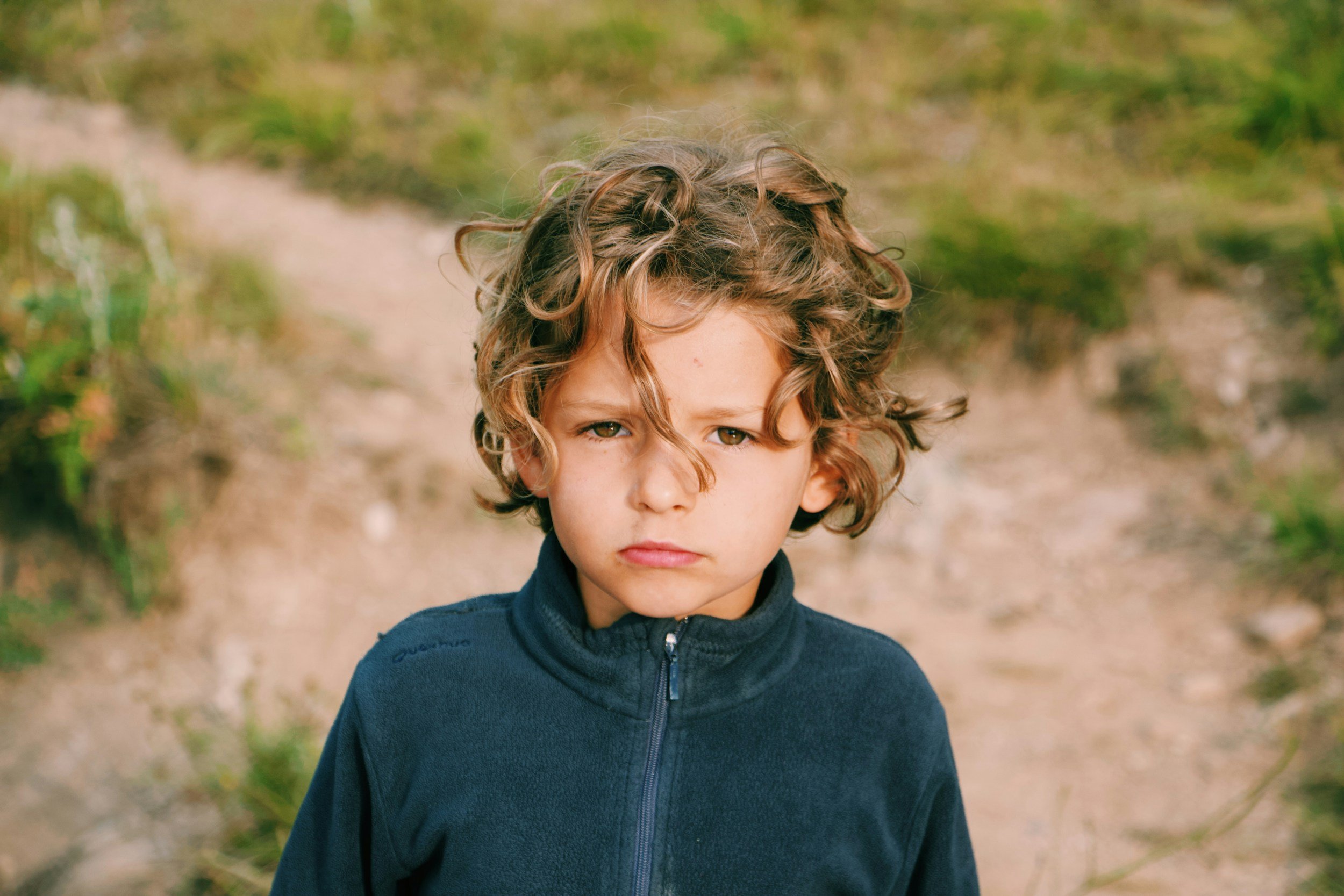
"I hate you."
If you've heard those three words come flying out of your child's mouth, you know exactly the feeling that follows. It's fast, it's sharp, and it lands somewhere deep, even when your brain is telling you it's not true. Parents ask me this question a lot: why does my child say they hate me, especially when nothing about our relationship feels like hate at all?
Here's what I want you to know first. This is one of the most common things I hear about in my office, and it's almost never about hate. It's about a kid who has run out of better words.
What's Actually Happening in That Moment
Kids, especially younger ones, don't have a fully built out emotional vocabulary yet. When they're overwhelmed (by a no, a limit, a disappointment, a transition they didn't want), the feeling shows up faster than the words to explain it. "I hate you" is often the biggest, sharpest tool in a small toolbox. It's not a calculated attack. It's a kid reaching for the loudest word they know because the feeling underneath is that loud.
For neurodivergent kids especially, this can happen even more. A child who struggles with emotional regulation or who gets flooded quickly by sensory or social demands may not have the pause between feeling and saying that we wish they had. That's not a character flaw. That's a nervous system doing its best under pressure. If this kind of big reaction tends to show up alongside defiance or meltdowns in your house, our post on what's really going on when an overwhelmed child acts out digs into that pattern more.
It's Rarely About You, Even Though It Feels Personal
Here's the part that's hard to sit with. Your child isn't actually mad at you as a person. They're mad at the situation, and you happen to be standing right there holding the boundary. A parent might say, "It's bedtime, we're turning off the tablet now," and hear back, "I hate you, you're the worst!" That's not a verdict on your parenting. That's a kid protesting the limit with the biggest word available.
I tell parents this often: the words are big, but the feeling behind them is usually smaller and more specific than "hate." It's closer to "I'm furious and I don't know what to do with that right now."
What Not to Do (Even Though It's Tempting)
When you hear those words, your instinct might be to fix it fast. A few common responses actually make things harder:
Saying "You don't mean that" can feel like you're denying what they just felt, even if you're right that they don't mean it literally
Matching their intensity with your own anger tends to teach a kid that big feelings equal big blowups, on both sides
Over-explaining or lecturing in the moment usually lands nowhere, because a dysregulated brain isn't in a place to absorb logic yet
None of these are about being a bad parent. They're just natural reactions to getting hurt by someone you love.
What Actually Helps
The move I recommend most is simple, even if it's not easy: separate the feeling from the words. You can hold both "I understand you're really angry right now" and "I'm not okay with being talked to that way" at the same time. Something like, "You're allowed to be mad at me. You're not allowed to talk to me like that," does a lot of work in one sentence.
Give the moment some room to breathe if you can. A short pause, a change of location, a few minutes before you circle back- all of that helps a flooded nervous system come back down. This is the power of co-regulation at work: your own calm helps steady theirs. Once things are calmer (sometimes minutes later, sometimes the next day) that's when the real conversation can happen. Ask what was going on. Name the feeling you noticed. Let them know you're still there.
Repair conversations like this do more for a child's sense of self than the outburst ever damages. A kid who gets helped through a hard moment, rather than shamed for it, walks away knowing they're loved even when they're struggling, which matters more than we usually realize for building genuine self-esteem.
If This Keeps Happening
If "I hate you" is a once-in-a-while thing after a hard limit, that's typical development doing its job. If it's showing up constantly, escalating, or coming with other signs your child is struggling to manage big emotions, that's worth paying attention to. It doesn't mean something is wrong with your child. It often means they need more support building the skills to handle those feelings, which is exactly the kind of work we do in play therapy at Reach Counseling. In the meantime, one of the simplest things that helps is more one-on-one time together, even just ten quiet minutes a day, to keep rebuilding connection outside of the hard moments.
The Bottom Line
If you've ever laid awake wondering WHY does my child say they ‘hate’ me, take a breath! It's one of the most common questions I get asked, and in almost every case, the honest answer is that your child loves you and is completely overwhelmed at the same time. Those two things can be true together.
If you're not sure whether what you're seeing at home is typical or something you'd like extra support with, our child therapy team would love to help you figure that out.

Macy Faust, M.S., LPC, NCC
Macy is an AutPlay® Therapy Certified Provider who believes emotional healing can happen through play. She works with children as young as 4 and their families using creative, evidence-based approaches, and especially loves supporting children and tweens working through big feelings.