
How to Explain Play Therapy to Your Child Before Their First Session
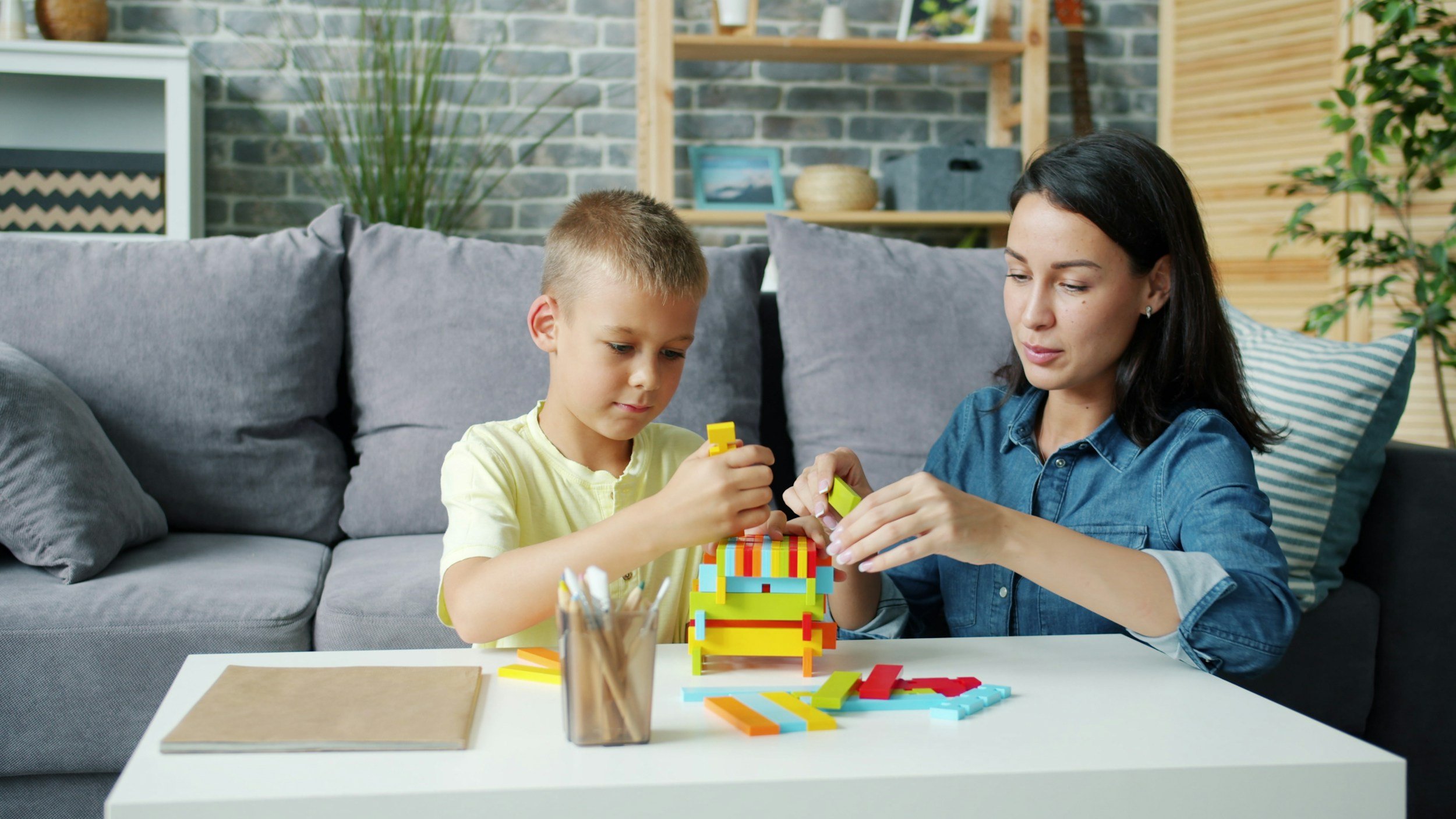
Parents ask our play therapists some version of this question all the time: "How do I explain play therapy to my child?" And honestly, it's a fair question. The word "therapy" usually makes us picture two adults sitting in chairs talking about their problems. Play therapy looks nothing like that, and that gap between what parents expect and what actually happens is where a lot of the confusion starts.
In play therapy, a child has access to a room full of toys they can use as their words. They don't have to sit down and explain what's wrong. If a therapist tried to talk to a 5 year old directly about their struggles, that conversation often wouldn't go anywhere. But hand that same 5 year old a dollhouse or a sandtray, and suddenly there's a safe way to process what they're feeling.
A Simple Way to Explain It
Keep it simple and keep it positive. Our therapists usually recommend telling your child something like, "You're going to see someone who has a whole room full of toys, and you get to play with them in a lot of different ways." You can add, "They help kids with their feelings, especially when things feel hard." That's it. You don't need a long explanation. If you want a sense of what that first appointment actually involves so you can answer follow up questions with confidence, we've laid out what to expect in your first counseling session.
The reason to say something ahead of time, rather than surprising your child in the waiting room, is simple: it lowers anxiety. Kids do better when they know roughly what to expect, even if the details are a little fuzzy. A short, warm heads up goes a long way.
What Not to Say
Here's the nuance that gets missed a lot. Telling your child therapy is there to "fix their bad behavior" is common, and it's also one of the most hurtful ways to frame it. It tells a child something is wrong with who they are, when that's not the goal at all.
The goal of play therapy isn't to change your child's personality. It's to give them confidence, safety, and skills to navigate the world a little more successfully. That distinction matters. A child who hears "we're going somewhere to fix you" carries something very different into that first session than a child who hears "we're going somewhere that helps kids with big feelings."
Try to avoid both extremes: don't shame your child into going, and don't scare them into it either. Something as simple as framing it like any other kind of support, similar to how a tutor helps with math or a coach helps with a sport, tends to land well. And if your child pushes back anyway, that's common too. We've written a whole post on what to do when your child resists therapy.
What Play Therapy Actually Looks Like
The biggest misconception is that play therapy is just playing with toys while an adult watches. It's a lot more active than that. A play therapist is reflecting back the behaviors, emotions, and meanings a child creates through their play.
That reflection is what makes it work. When a child feels seen, heard, and understood in the playroom, they build a real sense of safety there. And once that safety is in place, kids often bring up difficult emotions completely on their own, without a therapist even asking. That's the quiet magic of it. Nobody has to pry anything out of them.
If You're Feeling Stuck Tonight
If you're lying awake tonight trying to figure out exactly the right words to say before that first appointment, here's some relief: however you talk to your child about it, the play therapist is ultimately responsible for walking your child through the process once they're in the room. The pressure isn't all on you.
Your therapist will also keep giving you guidance along the way, including how to set healthy limits and boundaries at home that support what's happening in session. This isn't a one and done conversation you have to get perfect before appointment one. It's the start of an ongoing partnership, and parent involvement in child therapy tends to make the biggest difference in how well it works.
If you're not sure where to start, we'd love to help you figure that out. Meet our team of trained child and teen therapists, each bringing their own mix of approaches to fit what your kid actually needs, here: https://www.reachcounselingtx.com/our-team-1.
Not sure who's the right fit? Here's a bit of guidance on choosing a child or teen therapist.

Reach Counseling Team