
The Silent Struggles of ‘Good Kids’: Recognizing Hidden Anxiety and Depression
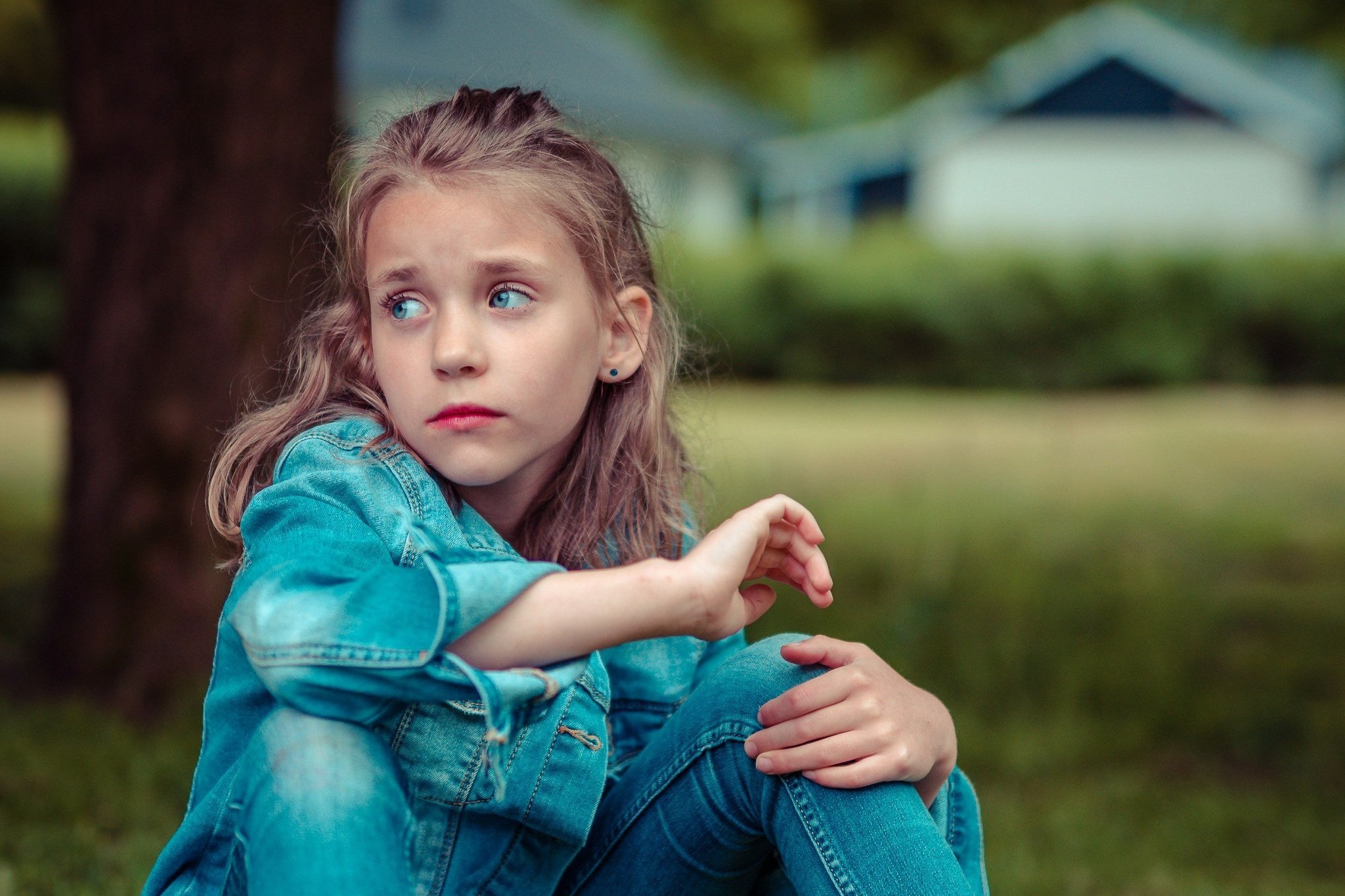
Even the most well-behaved and high-achieving kids can silently struggle with anxiety and self-doubt.When we think of children struggling with anxiety or depression, we often picture the child who is acting out, struggling in school, or isolating themselves from friends. But what about the high-achieving, well-behaved kids—the ones who seem to do everything right?
Our therapists see many children and teenagers who excel academically, follow all the rules, and rarely cause trouble—yet beneath the surface, they are silently struggling with intense anxiety, self-doubt, or even depression.
If your child appears to be thriving on the outside but you have a nagging feeling that something isn’t quite right, this guide will help you recognize the hidden signs of distress, understand why some kids mask their emotions, and provide tools to help them open up.
Why “Good Kids” Can Struggle in Silence
Some children learn to hide their struggles because they have internalized high expectations, fear disappointing others, or feel that their role is to “keep things together.”
Common Reasons High-Achieving Kids Mask Their Emotions:
➡ Perfectionism: They believe their worth is tied to their achievements, leading to constant self-criticism.
➡ Fear of Burdening Others: They don’t want to “cause problems” or add stress to their family.
➡ People-Pleasing Tendencies: They focus on making others happy at the expense of their own emotions.
➡ Praise for Being “So Mature” or “Independent”: They may feel like they have to handle everything alone.
➡ Belief That Struggling = Weakness: They might not even realize that what they’re experiencing is anxiety or depression.
Research Insight: Studies show that high-functioning, perfectionist children are at greater risk of anxiety and depression because they internalize stress rather than express it (National Institute of Mental Health, 2022).
So, what are the warning signs parents should look out for?

High-achieving kids may appear to have everything under control, but stress, perfectionism, and emotional exhaustion can take a toll on them. Signs of Hidden Anxiety & Depression in “Good Kids”
Because these kids often appear to have everything under control, parents and teachers may not recognize the signs of distress until the child is deeply struggling.
Here are subtle but important red flags that your child may be dealing with hidden anxiety or depression:
Emotional Signs
⚑ Constant Worrying or Overthinking – Replaying conversations, excessively apologizing, or dreading minor mistakes.
⚑ Fear of Letting Others Down – They panic over a single bad grade or get extremely upset when corrected.
⚑ Appearing “Fine” but Seeming Distant – They say they’re okay, but their energy feels off.
⚑ Difficulty Expressing Emotions – When asked how they feel, they often say “I don’t know” or minimize their struggles.
Behavioral Signs
⚐ Overloading Themselves – Signing up for too many activities, striving for constant achievement.
⚐ Perfectionism – Erasing homework multiple times, obsessing over tiny mistakes, or taking hours to complete assignments.
⚐ Avoidance of Help – They refuse to ask for help because they believe they should “figure it out on their own.”
⚐ Being the ‘Peacemaker’ in the Family – They suppress their own emotions to keep the household calm.
Physical Signs
⚑ Headaches or Stomachaches – Unexplained pain can be a sign of anxiety.
⚑ Exhaustion Despite Getting Enough Sleep – Emotional distress drains energy.
⚑ Fidgeting, Nail Biting, or Jaw Clenching – Physical signs of stress, even if they don’t talk about it.
Key Takeaway: If your child is pushing themselves too hard, struggling to set boundaries, or showing unexplained physical symptoms, it may be time to check in on their emotional well-being.
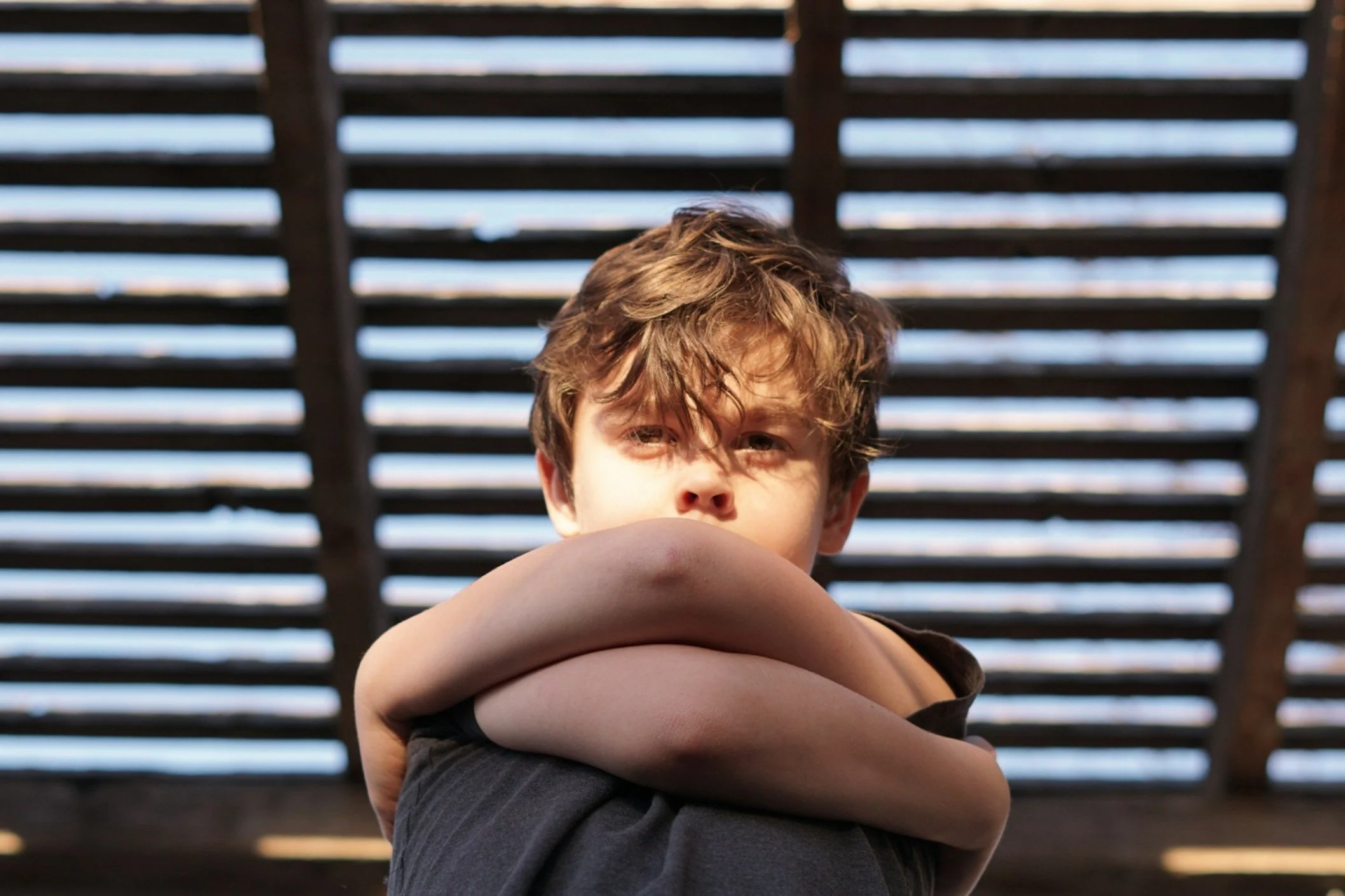
Even the most capable and independent kids can carry hidden worries and big emotions. With the right support, kids can learn to cope and thrive.