
What Happens in a Play Therapy Session: A Step-by-Step Guide
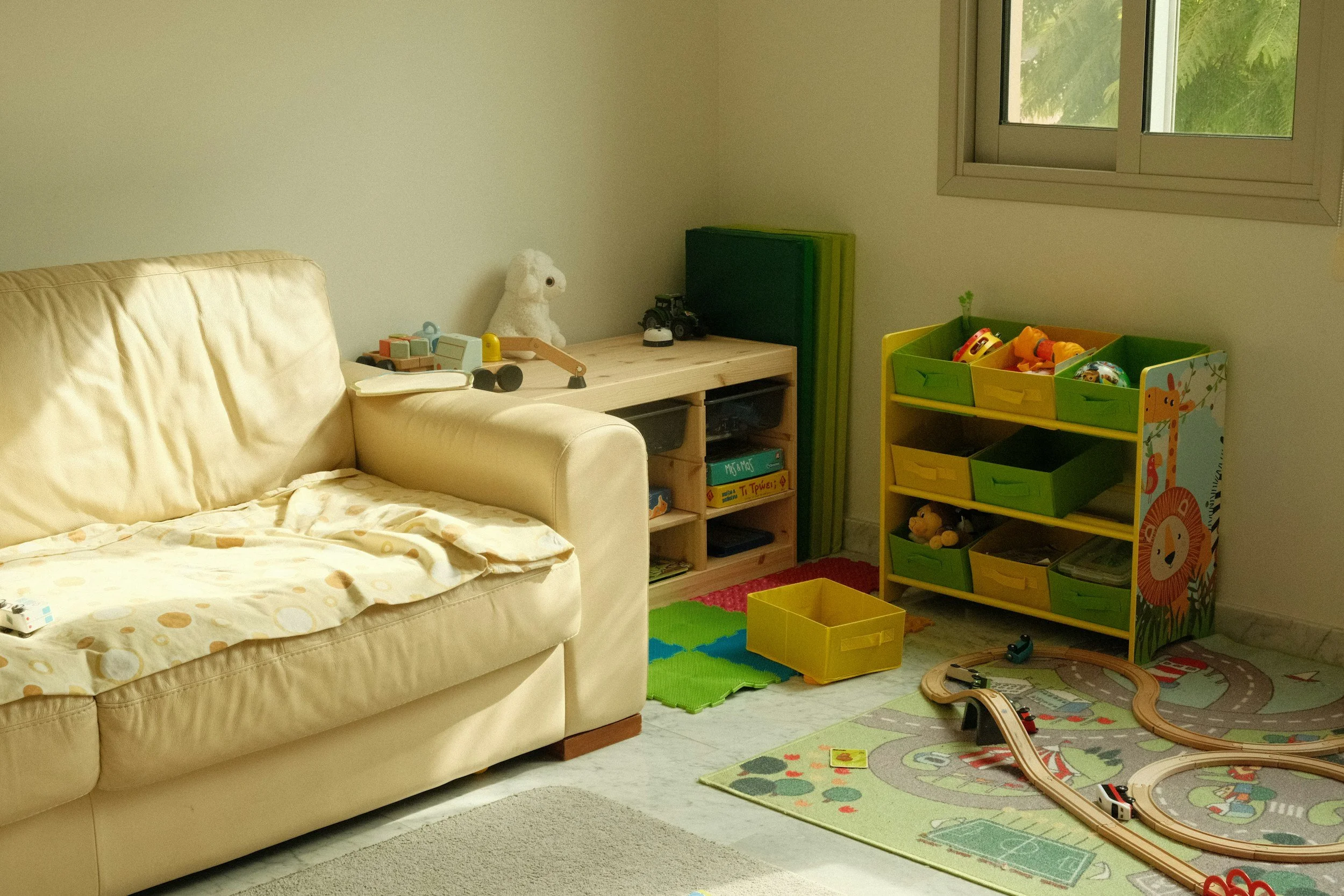
If you've ever wondered what happens in a play therapy session, you're in good company. Peek into our playroom and you'll see a sand tray, paint and craft supplies, cars, Barbies, army figures, a basket of fidgets, and a whole wall of games. It looks like a really fun place to spend an hour. And it is!
But that's exactly why so many parents walk out of a first session thinking, "Wait. Are they just playing in there?" I hear some version of that question constantly, especially in early sessions and parent consults. Parents want to know if this is too hands-off. They want to know if their child is actually learning anything.
Those are fair questions. So let me pull back the curtain and walk you through it, step by step, from what I see every week in our Keller and Fort Worth offices.
What Happens in a Play Therapy Session, Step by Step
Every child is different, and every therapist has their own style. But most of the kids I work with move through a pretty similar arc. (If you want the bigger picture of the approach itself, here's a deeper look at how play therapy works.)
Step 1: The First Session Is About Exploring and Feeling Safe
The first session is not about fixing anything. It's about getting to know the room, the toys, and me. Most kids spend a lot of that time just wandering, touching things, and figuring out what's allowed.
We also set a few simple expectations right away, like:
We don't break the toys.
Sand stays in the sandbox.
You can say anything you want in here.
For a lot of kids, a big part of the first session is just getting comfortable separating from you in the waiting room. That's real work, and it counts.
Step 2: Early Sessions Focus on Building Trust
The early phase is heavy on rapport. Your child leads the play, and I follow. That might sound like I'm not doing much, but trust is the foundation everything else is built on. Kids don't open up to someone they don't feel safe with. Neither do adults, honestly.
Step 3: I'm Tracking, Naming, and Reflecting the Whole Time
Here's what surprises a lot of parents: play therapy sessions are very interactive. While your child plays, I'm tracking what they do out loud ("You're lining all the cars up in a row"), naming the feelings I notice ("You seem really proud of that"), and paying close attention to how their body responds.
This is what "child-centered" actually means. Your child sets the direction. I stay right there with them, putting words to their experience so they can start to understand it themselves.
Step 4: Limits Come With Alternatives
When a child wants to throw sand or hit a toy, I don't just say no. I name the feeling, set the limit, and offer something else they can do. Something like, "You're really mad. Sand isn't for throwing, but you can punch this pillow or squeeze this ball."
That little sequence is a big deal. Your child is learning that their feelings are okay, and that there's a safe way to let them out.
Step 5: Over Time, a Little Gentle Direction Gets Added
Sessions evolve. In the middle phase, your child is still leading, but emotional language and limit setting are happening all the time. Later on, I might occasionally bring in a game or activity to introduce a specific skill. It's never a forced lesson. The skill just shows up naturally inside the play.
Step 6: Skills Start Showing Up at Home
This is the part parents love. Somewhere along the way, you'll start hearing your child use the language on their own. "I'm frustrated." "I need a break." Maybe they walk away from a meltdown they would have had a few months ago. That's the work paying off.
What This Looks Like in Real Life
Let me give you an example I see all the time.
A child is building a tall block tower, and it comes crashing down. Or they're playing a game with me, and they lose. Their whole body reacts. They knock everything over, or they shut down, or their shoulders and hands get really tense.
In that moment, I might say, "You're really frustrated that didn't go how you wanted." And then, "I see your hands getting tight."
Then I offer a simple choice. We can try again, or we can take a break. A break might mean blowing bubbles, playing in the sand, switching to a different game, or sitting somewhere quiet for a minute.
From the outside, that looks like just playing. But here's what's actually happening:
Your child is connecting what their body feels to the emotion behind it.
They're practicing calming down in the moment, not after the fact.
They're learning what to do with big feelings, through experience instead of a lecture.
There's real science behind why this works. Kids learn emotional skills best by doing them, over and over, with a safe adult right beside them.
"Isn't This Too Hands-Off?"
This is the worry I hear most, so I want to answer it directly. Play therapy is not hands-off. It's just not lecture-based.
My role is to be a guide, not a teacher. Kids pick up skills through three things: experience, repetition, and relationship. Every reflection, every limit, every choice I offer is intentional, even when it looks casual.
Some of the most common things parents believe going in:
"They're just playing, so nothing therapeutic is happening."
"The therapist is pretty passive."
"My child needs to be directly taught these skills."
"We should see big results right away."
I get why these feel true. But they're some of the most common play therapy misconceptions out there, and they can make parents doubt a process that's working.
Why Play Therapy Takes Time (and Why That's Worth It)
I'll be honest with y'all. Play therapy usually takes longer than traditional talk therapy. Progress can feel slow, especially in the early weeks when it seems like your child is mostly exploring.
But there's a tradeoff. Because kids learn these skills through their own experience, the skills tend to stick. They become part of how your child handles the world, not just something they memorized for a session. Slower often means deeper and longer lasting.
This is also why play therapy fits young kids so well. They don't have the words yet to talk through their feelings the way adults do, but they can play them out. (Wondering if your child is in the right range? Here's a guide on what age play therapy is for.)
How You Can Help at Home
You're a huge part of this. The biggest thing that speeds up progress is consistency between therapy and home. When you use the same language at home, your child hears the same message in two places, and it sinks in faster.
You can try things like:
Naming feelings out loud: "You look disappointed that we have to leave the park."
Noticing their body: "I see your fists getting tight."
Offering a choice instead of a lecture: "Do you want to try again, or take a break first?"
Modeling it yourself: "I'm feeling frustrated, so I'm going to take a few deep breaths."
Your child's therapist can share the exact phrases they use in session, so just ask. We love when parents want in on this.
What I Want You to Know
If you're reading this late at night wondering whether what happens in a play therapy session is really doing anything, here's what I'd tell you.
Your child is learning, even when it looks like play. Kids don't need lectures to learn emotional skills. They need a safe space, consistent language, and adults who model what regulation looks like. Progress might feel slow, but it's happening.
And your child is paying attention. They're absorbing far more than it seems.
If you're still deciding whether your child could use some support, this post on when your child should see a counselor is a good place to start. And if you'd like to learn more about play therapy at Reach Counseling, we'd love to help you figure out what's right for your family.

Meet Vivian Jones, M.Ed., LPC, NCC
Vivian Jones works with children, teens, and adults, offering a safe, judgment-free space to explore anxiety, depression, self-harm, grief, and emotional ups and downs through evidence-based approaches like CBT, ACT, DBT, and play therapy, so clients feel understood and supported at their own pace.