
What Age Is Play Therapy For? (It's Not Just for Toddlers)
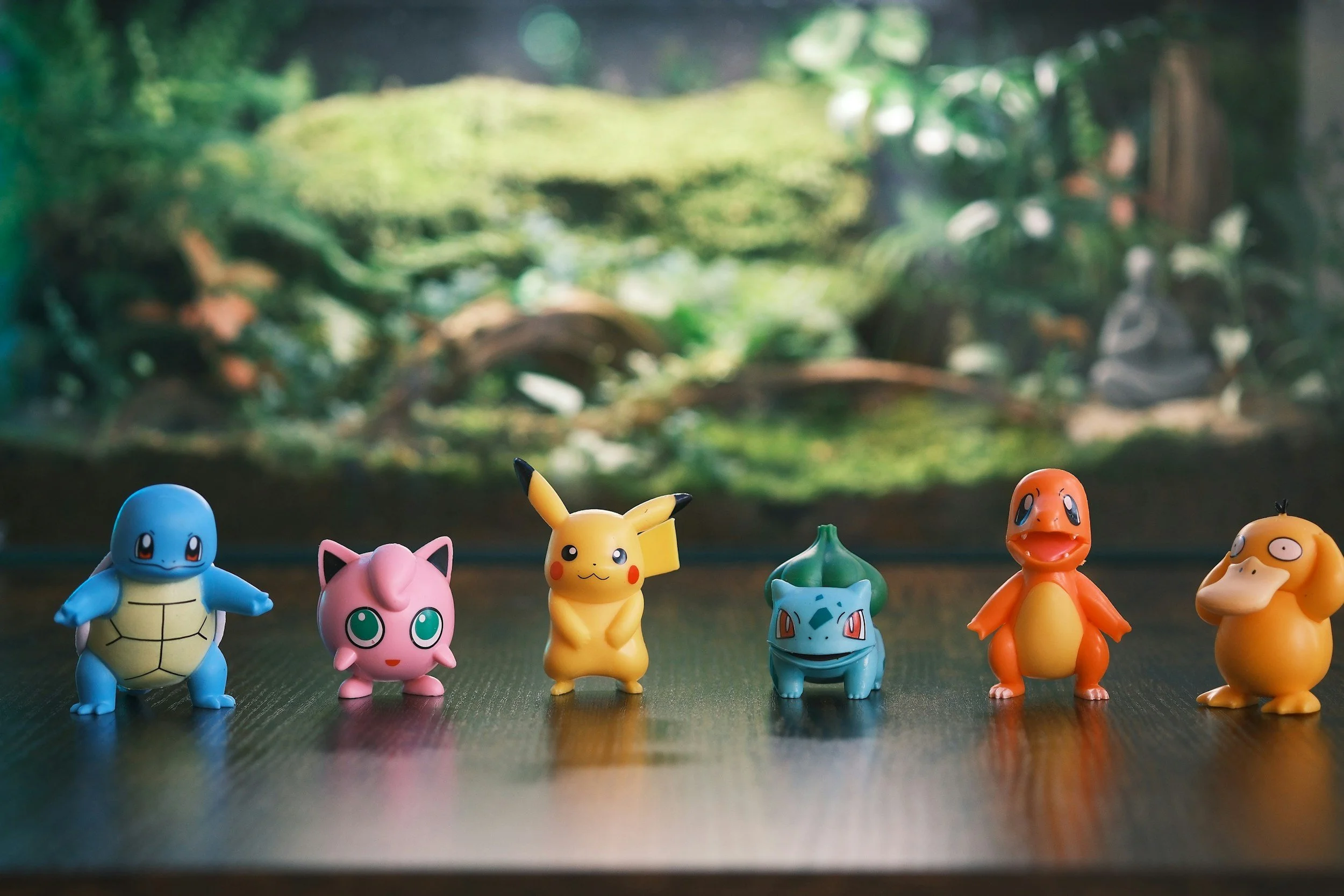
One of the most common questions our play therapists hear from parents is some version of, "Isn't my kid too old for play therapy?" It usually comes up when a child is heading into middle school, or sometimes even high school, and the parent pictures play therapy as something for toddlers with a bin of blocks. So let's clear this up: play therapy for kids isn't just for the little ones. At Reach Counseling, our play therapists work with clients from age 5 all the way up through the teen years, and the approach can flex even further depending on what a person needs.
Here's the thing that trips people up. Play therapy isn't really about age. It's about how a person communicates and processes what's going on inside them.
So What Age Is Play Therapy For, Really?
Play therapy is often used with kids as young as 3, and there's really no upper limit if it's the right fit. The idea behind it is simple: play is a child's language, and toys are their words. When a child doesn't have the vocabulary or the emotional distance to talk directly about something hard, play gives them a way to show a therapist instead of tell them.
What decides whether play therapy is the right approach isn't the number on a birthday cake. It's a client's developmental level. Our therapists work with 10 year olds who want nothing to do with the toy shelf and would rather talk through their feelings directly, and that's exactly the kind of therapy that fits them best. They also work with older teens for whom play or activity based work is still the most effective path forward.
A quick, real example (kept general to protect privacy): one of our therapists has worked with an older teen client whose developmental needs were best met through play and activity based techniques. A lot of their sessions involved playing games together, and within that game, they practiced things like reading social boundaries, figuring out what kind of humor lands and what doesn't, and respecting personal space. Our therapists set limits with clients during play the same way they would with a much younger child, and that limit setting is often where a lot of the real growth happens.
Play Therapy and Talk Therapy Aren't Opposites
Here's the nuance we wish more parents heard: play therapy and talk therapy aren't two separate boxes a kid gets sorted into. Most clients land somewhere in a blend, and that blend looks different for everyone. If you're curious how a child moves through that process over time, we've written about the phases of play therapy and how that progression unfolds session by session.
Some kids need to talk through the hard stuff first, and then they need a break with a game or an activity to reset before going deeper. Others need to play for most of the session, and only near the end, almost as an afterthought, will they share the thing that's actually been weighing on them. Neither one is more advanced or more "grown up" than the other. They're just different doors into the same room.
Healing can't be rushed. If a child needs play to feel seen, heard, understood, and connected, then play is exactly what belongs in that session, no matter how old they are.
The Biggest Misconception About Play Therapy Ages
Parents often worry their child has aged out, when in reality, some level of play or activity based work is exactly what that child needs to process what they're feeling. It's one of several common misconceptions about play therapy that we hear again and again, and it just looks different depending on the age.
With teens, this might look like a card game, a board game, or coloring while the conversation happens alongside it. With younger kids, it usually looks more like traditional play with toys in a playroom. Same purpose, different toolkit. If you're local to the area and want a closer look at what a session actually looks like, we've also broken down how play therapy works here in Keller and North Fort Worth.
If You're Feeling Stuck Tonight
If you're reading this in the middle of the night because you're not sure what your child needs, please know there are a lot of options to support them, whatever they're going through. Play therapy, activity therapy, and talk therapy are just a few of the paths available, and the right one depends on your child, not their age.
You're also not alone in wondering. It's incredibly common for parents to go back and forth on whether their child should see a therapist at all. That uncertainty doesn't mean you're doing anything wrong. It just means you're paying attention.
If you're not sure where to start, we'd love to help you figure that out. You can learn more about our play therapy services and get connected with the right therapist for your child.

Meet our team of trained child and teen therapists, each bringing their own mix of approaches to fit what your kid actually needs. Learn more at https://www.reachcounselingtx.com/our-team-1.