
How to Help a Child With ADHD Get Through Homework Without a Meltdown
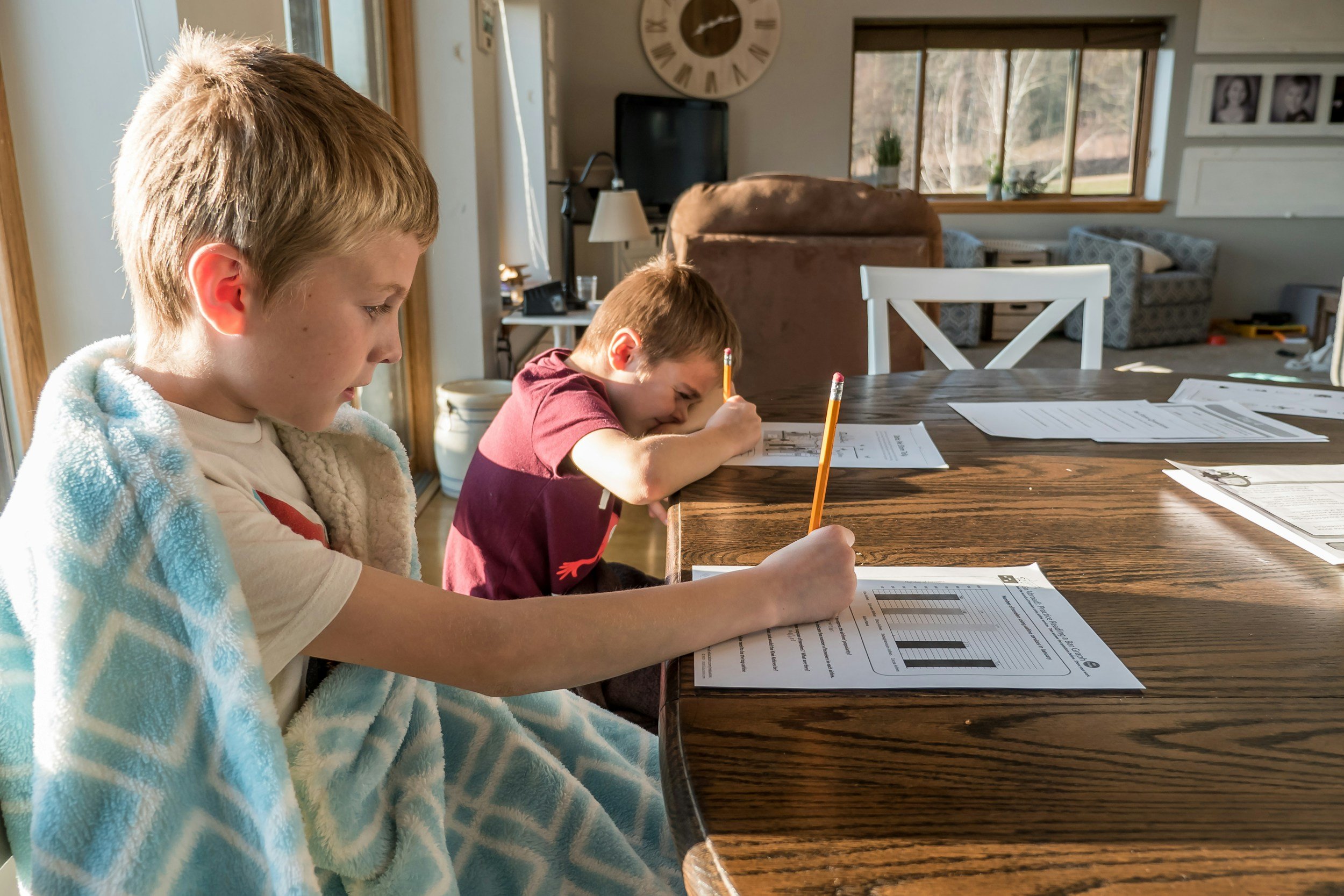
It's 6:30 on a Tuesday night. Dinner is half made, the worksheet has been on the kitchen table for forty minutes, and your child has sharpened the same pencil three times. You say, "Just start the first problem," and suddenly there are tears. (Theirs, and honestly, maybe yours too.) If you've been searching for how to help a child with ADHD with homework, I want you to know two things right away: you are not alone, and you are not doing it wrong.
As a play therapist at Reach Counseling, I hear about homework battles from parents all the time. The good news is that there are simple, practical changes that can make evenings feel a whole lot calmer. Let's walk through why homework is so hard for kids with ADHD and what actually helps.
Why Homework Is So Hard for Kids With ADHD
Children with ADHD have brains that may be easily distracted, hyperactive, impulsive, or some mix of all three. That can make three parts of homework really tough: getting started, staying with it, and finishing.
I work with a lot of kids whose brains are wired a little differently, and task starting and task completion come up again and again. Brains like these often have to work harder to get through a task, especially a boring one. And let's be real. Homework is usually pretty boring.
There's another piece that often gets missed: memory. Many kids with ADHD struggle to hold onto information, like the steps in a long division problem or which worksheet is due tomorrow. So it's not just about sitting still. Their brain is juggling a lot at once.
Your Child Is Trying Harder Than You Can See
This is the part I wish every parent could hear. Your child is often trying so much harder than it looks from the outside.
Lots of kids are very aware of their struggles. They notice when they lose focus or blurt something out, and many of them quietly carry guilt and shame about it. A child might say, "I'm just bad at school," or "Why can't I be like everyone else?" When I hear that, it usually means they've been working hard for a long time and feeling like it's never enough.
This kind of hidden struggle can be especially easy to miss in some kids. If you're curious, we've written more about how ADHD often looks different in girls, who tend to internalize rather than act out. And sometimes homework avoidance is less about attention and more about worry. If that sounds familiar, this post on how to tell if it's ADHD or anxiety is a good next read.
The Biggest Misconception About ADHD and Homework
One of the most common things I see is the belief that the same homework strategies that work for neurotypical kids should work for a child with ADHD. "Sit down, focus, and get it done" makes sense on paper. For a lot of kids with ADHD, it just isn't enough.
That doesn't mean your child can't do it. It means they may need extra support to get there, like small rewards, extra snacks, predictable rituals, someone sitting nearby, and big tasks broken into smaller ones. That's not spoiling them. That's giving their brain what it needs to succeed.
How to Help a Child With ADHD With Homework: Strategies That Actually Work
Every child is different, so think of these as tools to try rather than rules to follow. Pick one or two and see what clicks.
Try Body Doubling
Body doubling simply means sitting with your child while they work. You don't have to help with every problem. You can answer emails, fold laundry, or read a book right beside them. Having another person nearby can make it much easier for a child with ADHD to start and stay on task. It sounds almost too simple, but it can be a huge help.
Break It Into Tiny Pieces
A full page of math can feel like a mountain. Two problems feels doable. Try saying, "Let's do the next two problems, and then you can grab a snack." Then take a short break and come back for the next small chunk. Breaking big tasks into smaller ones can be such a relief for kids, and it gives them more chances to feel successful.
Race a Song
A few of the kids I work with have loved this one. Pick a favorite song and see how much work they can get done before it ends. It turns a boring task into something a little more exciting, and the short time frame makes it feel way less overwhelming. When the song ends, take a break or start another one.
Create a Focus Ritual
Rituals and sensory cues can help signal to the brain that it's time to work. Some families use a lavender candle as a "focus candle" that only gets lit during homework. Others pick a specific "working chair." Over time, these little cues can make getting started feel more automatic and a lot less like a fight.
Make Memory Visible
Since remembering can be hard, take some of that load off your child's brain. Try:
Visual checklists of what needs to get done tonight
Color coding folders or subjects (math is always blue, reading is always green)
Simple reminder or planner apps for older kids and teens
Sticky notes with the steps for tricky problems
Build In Small Rewards
Small, quick rewards can go a long way. A favorite snack, five minutes of a game, or picking the after-dinner activity can give your child something to work toward. For a deeper look at day-to-day tools, check out our post on ADHD strategies that help kids thrive, along with these ideas for helping your ADHD child thrive at home and school.
If You're Reading This at 11pm Feeling Stuck
If you're feeling stuck, please hear this: this is not supposed to come naturally. Supporting a neurodivergent child with homework is something that has to be learned, for you and for them. Nobody hands parents a manual for this.
And when a meltdown feels like it's coming, one of the most powerful things you can do is simply be there. Sit with your child and name how hard it is. You might say, "This is really tough right now. I'm right here, and we'll figure it out together." That kind of validation won't make the worksheet disappear, but it can help your child feel less alone, and that often makes all the difference.
Tomorrow is a new night. You can try again.
You Don't Have to Figure This Out Alone
Learning how to help a child with ADHD with homework takes time, patience, and a little trial and error. If homework is still turning into a nightly battle, or you're seeing a lot of frustration and shame in your child, it might help to have some extra support.
If your child is carrying a lot of frustration or shame around school, extra support can make a real difference. Our therapists specialize in working with kids and teens with ADHD, and we focus on celebrating how their brains work instead of trying to change who they are. Whether you're in Fort Worth, Keller, or anywhere in Texas through virtual sessions, our team is here for y'all. Reach out anytime, and we'll help you find the right fit.